

These High-Protein Lemon Zest Easter Madeleines are the perfect healthy treat for your spring brunch featuring refreshing citrus and muscle-building protein.
Easter is a time of renewal, bright colors, and, most importantly, delicious food shared with loved ones. While traditional holiday spreads are often heavy on sugars and refined carbs, there is a growing movement toward “healthified” classics that don’t sacrifice flavor. Enter these High-Protein Lemon Zest Easter Madeleines. These delicate, shell-shaped French cakes are world-renowned for their buttery crumb and elegant appearance, but our version adds a nutritional punch that makes them suitable for fitness enthusiasts and dessert lovers alike. By integrating high-quality protein and fresh citrus, we’ve created a snack that supports your goals while celebrating the season.
[ez-toc]
Historically, Madeleines hail from the Lorraine region of France. Legend suggests they were named after a young cook, Madeleine Paulmier, who served them to the Duke of Lorraine in the 18th century. Since then, they have become a staple of French patisserie. However, the traditional recipe relies heavily on butter and white flour. Our modern take utilizes almond flour and vanilla protein powder to lower the glycemic index and increase satiety. Whether you are hosting an Easter egg hunt or simply looking for a post-workout treat that feels like a cheat meal, these citrus-infused delights are the answer.
The beauty of the Madeleines lies in their versatility. The lemon zest provides a sharp, clean contrast to the sweetness of the protein powder, creating a sophisticated flavor profile that pairs beautifully with a cup of herbal tea or a morning coffee. In this guide, we will explore the science of protein baking, the importance of the “hump” on the back of the cake, and how to ensure your Easter baking is both nutritious and spectacular.
Why This Recipe Works
Creating a high-protein version of a delicate pastry is often a challenge because protein powder can make baked goods dry or rubbery. This recipe works because we balance the moisture levels using healthy fats and natural sweeteners. The almond flour provides a moist, nutty base that complements the lemon zest, while the protein powder acts as a structural substitute for some of the traditional flour.
Furthermore, these Madeleines utilize the leavening power of whipped eggs. Traditional recipes rely on the aeration of eggs to create that iconic light texture. By following our specific folding technique, you maintain the air bubbles, ensuring the cakes stay fluffy despite the heavier protein content. If you enjoy experimenting with healthy twists on classics, you might also like our keto almond flour cookies which share a similar nutty profile.
Ingredients
To achieve the perfect balance of macro-nutrients and flavor, high-quality ingredients are essential. For the best results, use fresh organic lemons for the zest, as the oils in the skin provide the bulk of the citrus aroma.
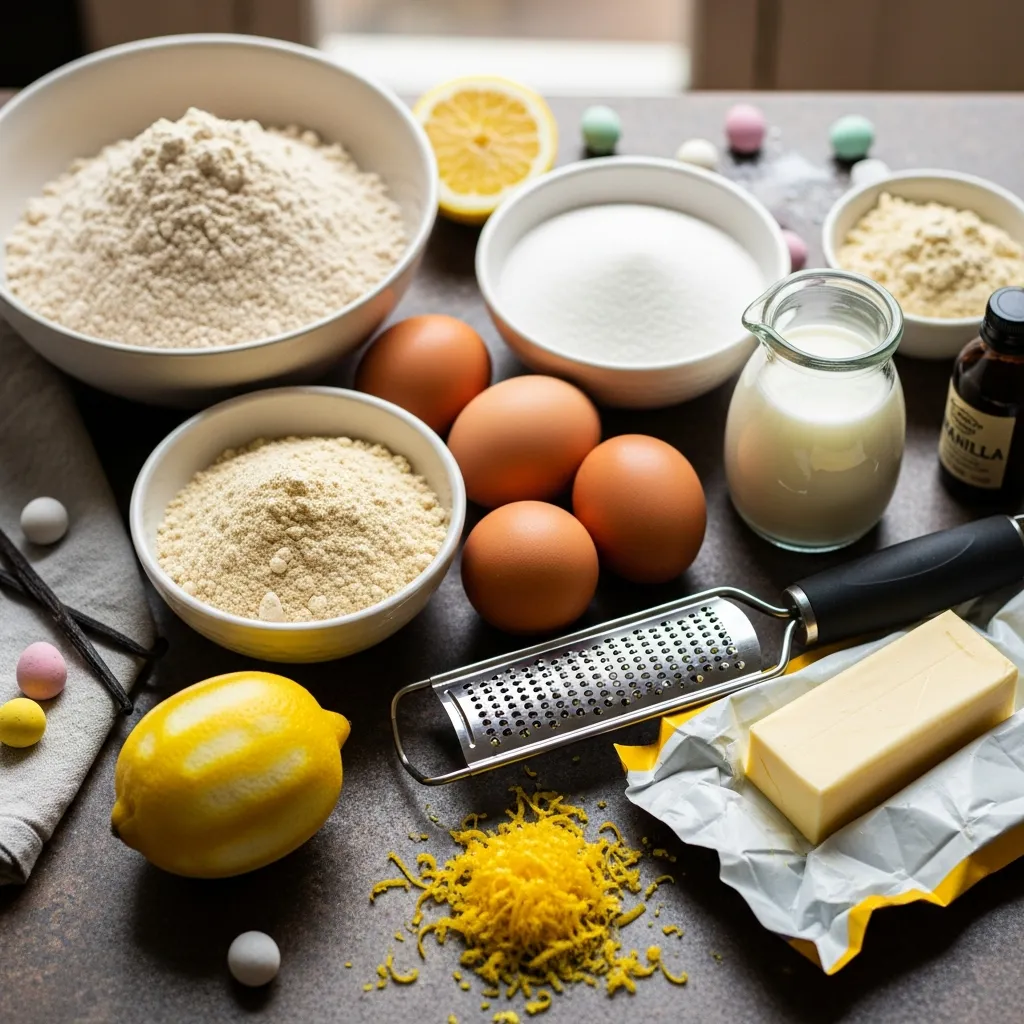
- Almond Flour: 1 ½ cups (fine blanched for the smoothest texture).
- Vanilla Whey Protein Powder: 2 scoops (approx 60g). Choose a brand that isn’t too “chalky.”
- Eggs: 3 large, room temperature.
- Lemon Zest: From 2 large lemons.
- Lemon Juice: 1 tablespoon, freshly squeezed.
- Monk Fruit Sweetener or Stevia: ½ cup (granulated).
- Melted Coconut Oil or Grass-fed Butter: ¼ cup.
- Baking Powder: 1 teaspoon.
- Vanilla Extract: 1 teaspoon.
- Sea Salt: A pinch to enhance the sweetness.
You can find a variety of protein powders and alternative flours by browsing Search for similar recipes on AllRecipes to find brands that work best for your dietary needs.
Equipment
Baking Madeleines requires one specific piece of equipment that cannot be easily substituted: a Madeleine pan. These pans feature the iconic shell-shaped indentations. If you use a mini-muffin tin, they will still taste delicious, but they won’t technically be Madeleines!
- Madeleine pan (non-stick is best).
- Electric hand mixer or stand mixer.
- Fine-mesh zester (Microplane).
- Silicone spatula.
- Large mixing bowls.
- Wire cooling rack.
Step by Step Guide
- Prep the Pan: Grease your Madeleine pan thoroughly with coconut oil or butter, even if it is non-stick. Dust a tiny bit of almond flour over the molds and tap out the excess. This ensures the Madeleines pop out easily.
- Whisk the Eggs: In a large bowl, beat the eggs and monk fruit sweetener for about 3-5 minutes. You want the mixture to be pale, thick, and doubled in volume. This is the “ribbon stage.”
- Add Aromatics: Gently whisk in the lemon zest, lemon juice, and vanilla extract.
- Combine Dry Ingredients: In a separate bowl, sift together the almond flour, protein powder, baking powder, and salt.
- Fold Gently: Using a spatula, fold the dry ingredients into the egg mixture. Do this slowly to avoid deflating the air you just whipped into the eggs.
- Incorporate Fat: Gradually pour the melted (and cooled) coconut oil or butter down the side of the bowl. Fold until just combined.
- The Secret Chill: Place the batter in the refrigerator for at least 30-60 minutes. Chilling the batter is the secret to getting that famous “hump” on the back of your Madeleines due to the temperature shock when they hit the hot oven.
- Bake: Preheat your oven to 350°F (175°C). Spoon the batter into the molds, filling them about ¾ full. Bake for 8-10 minutes or until the edges are golden brown and the tops spring back when touched.
- Cool: Let them sit in the pan for 2 minutes, then gently tap them out onto a wire rack.
To Incorporate With
These Madeleines are fantastic on their own, but they also serve as a great base for a larger dessert spread. For a truly decadent Easter brunch, consider serving them alongside fruit compotes or a light glaze. If you want to offer a variety of textures, you could also serve these with our raspberry cheesecake for a delightful citrus-and-berry combination.
For more inspiration on how to style your holiday table, you can Discover more Easter baking ideas on Pinterest.
Varieties / Substitutions
The base of this recipe is quite forgiving, allowing for several variations depending on your dietary preferences:
- Vegan Option: Replace eggs with “flax eggs” (though the rise will be less dramatic) and use a plant-based protein powder (pea or soy). Use coconut oil instead of butter.
- Flavor Twists: Swap lemon for orange zest and add a dash of cinnamon for a warmer flavor profile.
- Chocolate Dipped: Once cooled, dip the scalloped end of the Madeleines into melted dark chocolate and sprinkle with extra lemon zest or crushed pistachios.
- Blueberry Lemon: Press a single fresh blueberry into the center of each batter mold before baking.
Tips for Success
To ensure your Madeleines look professional every time, keep these tips in mind:
- Don’t Overmix: Once you add the dry ingredients, stop mixing as soon as you see no more flour streaks. Overmixing leads to a tough, bready texture.
- Temperature Matters: Ensure your eggs are at room temperature so they whip up to maximum volume. Conversely, ensure your butter/oil is melted but not hot, or it will cook the eggs prematurely.
- Use High-Quality Zest: Avoid the white pith of the lemon, which is bitter. Only grate the yellow outer layer for the best Madeleines experience.
- The “Bump”: If you don’t get the signature bump, your oven might not be hot enough, or your batter wasn’t cold enough. Don’t skip the refrigeration step!
10 FAQ
- Can I use all-purpose flour instead of almond flour? Yes, but the protein content will decrease and the texture will be more cake-like than nutty.
- How long do these stay fresh? Madeleines are best eaten the day they are made, but they can be stored in an airtight container for up to 3 days.
- Can I freeze the batter? It is better to freeze the baked cakes. The batter relies on air bubbles that will dissipate if frozen.
- Why are my Madeleines dry? This usually happens if they are overbaked or if the protein powder used is very absorbent. Try reducing bake time by 1-2 minutes.
- Do I need a special pan? For the authentic look, yes. For the taste, a mini-muffin pan works.
- Can I use Casein protein? Casein is much thicker than Whey. If using Casein, you may need to add a tablespoon of almond milk to the batter.
- Is monk fruit better than sugar? It is a zero-calorie alternative that doesn’t spike blood sugar, making it ideal for these Madeleines.
- How do I get the scalloped edges to be crispy? Ensure your pan is well-greased and the oven is fully preheated.
- Can I add poppy seeds? Absolutely! Lemon poppy seed Madeleines are a classic variation.
- What if I don’t have a zester? You can use a fine grater or peel the skin and mince it very finely with a knife.
Conclusion
Baking these High-Protein Lemon Zest Easter Madeleines is a rewarding way to bring a touch of French elegance to your holiday celebrations. They prove that you can enjoy the finer things in life—like a buttery, citrusy sponge cake—while still prioritizing your health and fitness. By following the secret tips of chilling the batter and whipping the eggs to perfection, you’ll impress your guests with a dessert that looks like it came straight from a Parisian bakery. Happy Easter and happy baking!
For more seasonal recipes, don’t forget to check out our holiday-themed pancakes or search for more ideas at Search for more citrus recipes on Food.com.